

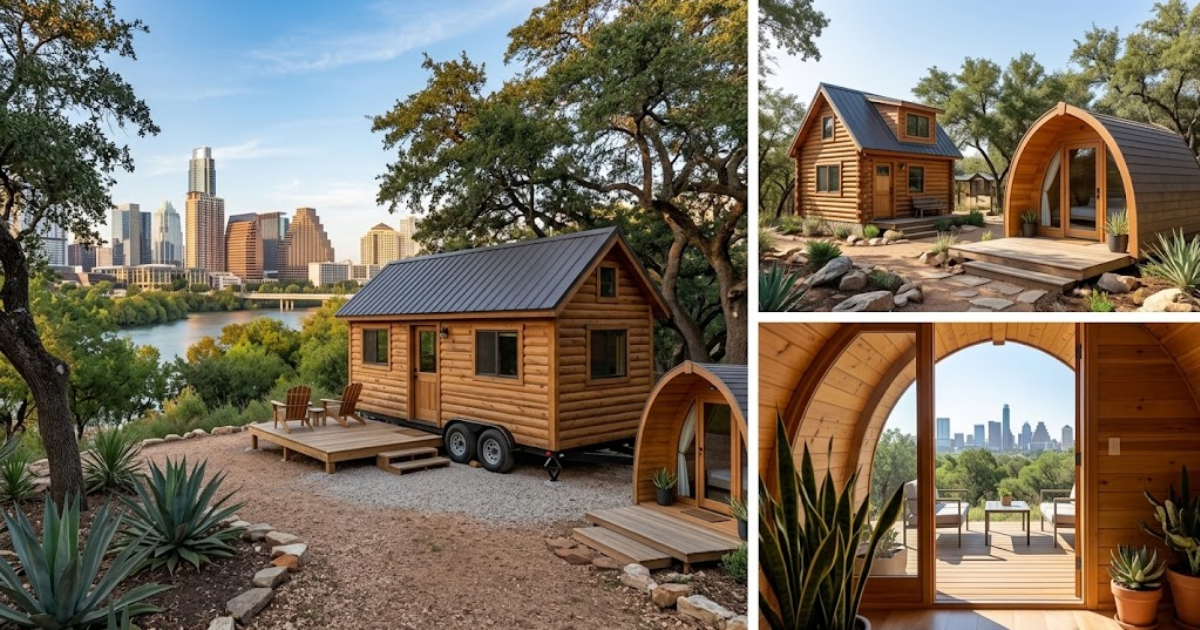
For many Austin residents, a smaller home can offer more freedom with fewer maintenance demands. Rocky Mountain Tiny Houses combines compact layouts with custom design, giving buyers another option when exploring efficient housing.
For those considering Tiny homes in Austin, TX, the decision involves more than choosing an attractive model. You’ll need to evaluate construction, pricing, land, utilities, local regulations, and how comfortably the layout fits your daily routine.
Why Rocky Mountain Tiny Houses Suit Austin Living
Austin’s housing market has encouraged many people to consider alternatives to traditional houses. Austin tiny house living can appeal to buyers who want less space to maintain while putting greater emphasis on experiences, flexibility, and practical spending. Rocky Mountain Tiny Houses focuses on handcrafted homes with customizable designs. Rather than treating every buyer’s needs the same, the company offers different models and design approaches that can accommodate varying lifestyles.
For some homeowners, smaller square footage supports debt-free living by reducing the amount of money tied to housing. Others simply want a more manageable property with lower maintenance requirements. However, tiny living requires thoughtful planning. Limited storage and shared spaces can work well for one household while feeling restrictive for another. Your lifestyle should therefore guide the design rather than the other way around.
Explore Rocky Mountain Tiny Houses Designs and Customization Options
A well-designed tiny home makes every square foot earn its place. Rocky Mountain Tiny Houses offer models such as the Boulder, Crestone, Silverthorne, and Wasatch. Buyers can use available plans as starting points for creating homes that reflect their needs.
The Boulder tiny house, for example, reflects the company’s interest in combining practical living with a more modern aesthetic. Its design moves beyond the familiar cabin-style appearance often associated with early tiny homes.
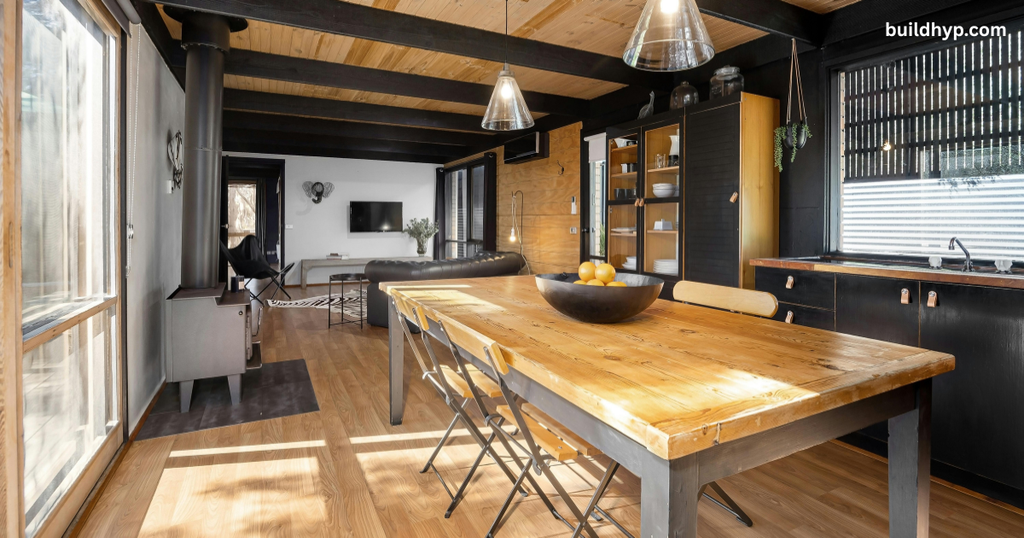
Customization can affect both appearance and everyday usability. Depending on the project, buyers may consider:
- Kitchen configuration and appliance placement
- Built-in cabinets and storage
- Loft arrangements
- Window locations
- Bathroom layouts
- Interior finishes
- Exterior materials
- Stair or ladder designs
Popular Rocky Mountain Tiny House Models and Layout Choices
Choosing between tiny house floor plans starts with understanding how you use your home. Someone working remotely may need a dedicated workspace. A frequent cook may prioritize counter space and storage. Likewise, couples should consider sleeping arrangements, privacy, and personal storage. Space-saving furniture can serve multiple purposes without making the interior feel crowded.
Austin’s climate also deserves attention. Strong summer heat makes insulation, ventilation, window selection, and air conditioning important design considerations. A home originally designed for a cooler mountain environment may need thoughtful adjustments for Central Texas conditions.
Understanding Rocky Mountain Tiny House Costs
Price remains one of the biggest questions for prospective buyers. Rocky Mountain Tiny Houses currently lists projects across a broad range, from basic shells starting around $10,000 to highly customized homes exceeding $170,000. The final price depends heavily on size, materials, trailer specifications, design, and finishes.
For Austin buyers planning a finished, professionally built home, a $50,000–$120,000+ working budget provides a more realistic starting point. Premium customization can push the total substantially higher.
| Cost Category | Practical Planning Range |
| Basic tiny-home shell | $10,000–$40,000 |
| Finished tiny home | $50,000–$120,000+ |
| Premium custom build | $120,000–$170,000+ |
| Delivery | Varies by distance |
| Land or site rental | Highly location-dependent |
| Utility connections | Depends on property |
These aren’t fixed quotes. They provide a planning framework before requesting a project-specific estimate.
What Influences the Final Price?
Several factors can quickly change tiny house costs. Larger structures require more materials, while complicated layouts increase labor. Custom cabinetry, premium appliances, upgraded windows, and specialized mechanical systems can also raise the budget. You should calculate the complete project cost instead of focusing solely on the home’s purchase price. Consider:
- Base construction and upgrades
- Transportation to Austin
- Land purchase or land rental
- Site preparation
- Electricity, water, and wastewater
- Permits and inspections
- Furniture and appliances
A lower purchase price doesn’t necessarily mean lower overall spending. Infrastructure can become a major part of the project.
What to Know Before Placing a Tiny Home in Austin
Before purchasing land or ordering a home, verify how Austin’s regulations apply to your specific structure. The City of Austin defines a tiny home or tiny house as a dwelling unit of 400 square feet or less, excluding certain loft areas. Recent HOME amendments have also expanded housing opportunities on qualifying residential properties.
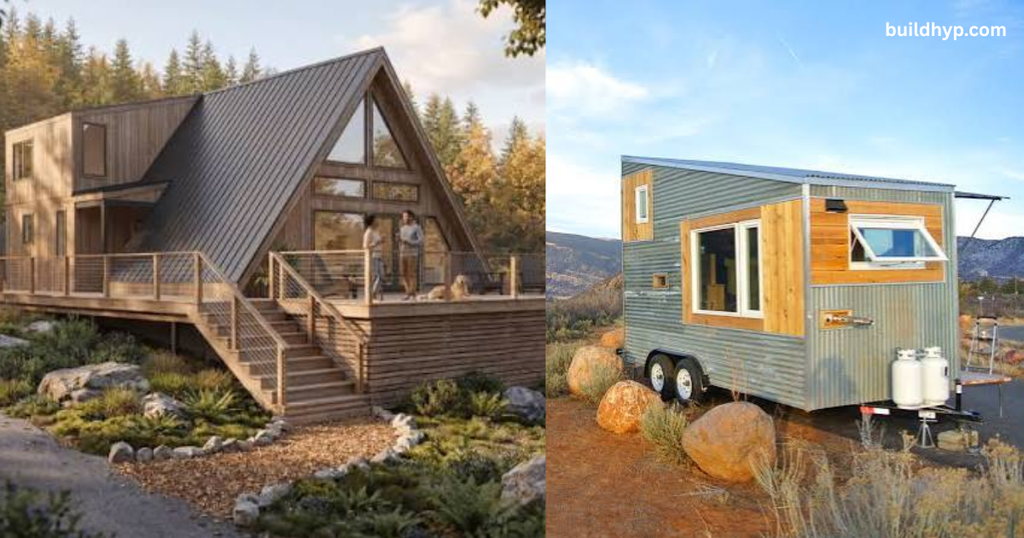
Yet not every tiny home receives the same treatment. A permanently founded prefabricated home can have different requirements from a home built on a trailer chassis. Austin may classify some trailer-based units as recreational vehicles rather than conventional dwelling units. That distinction matters when you’re evaluating portable tiny houses or tiny homes on wheels.
Zoning, Land, and Utility Considerations
The property should be investigated before you finalize your home design. Check zoning, deed restrictions, site access, utilities, wastewater arrangements, and applicable construction requirements. For Austin projects, ask:
- Is residential tiny-home placement allowed on the property?
- Will the home use a permanent foundation or chassis?
- Can the site receive water and wastewater services?
- Does the property have suitable electrical access?
- Can the home physically reach the lot?
- Are additional private restrictions in place?
Austin’s official guidance provides information about additional dwelling units and related requirements. Getting these answers early can prevent expensive changes later.
Is a Rocky Mountain Tiny House Right for You?
A tiny home makes sense when its size, design, and costs match your lifestyle. Rocky Mountain Tiny Houses may suit Austin buyers who value craftsmanship, customization, mobility, and efficient design. The lifestyle can work particularly well if you don’t need extensive storage or multiple unused rooms. It may also appeal to people pursuing affordable homeownership, simpler routines, or greater control over housing expenses. Before moving ahead, consider:
- Your total project budget
- Required living and storage space
- Long-term location plans
- Utility requirements
- Austin zoning and placement rules
- Transportation needs
- Climate-appropriate construction
The original Boulder project was designed around the idea of making quality tiny-home ownership more attainable. Today, pricing varies considerably by build specifications, so buyers should request a current quote rather than rely on historical prices.
For Austin homeowners, the strongest choice isn’t necessarily the smallest house. It’s the one that balances compact home design, comfort, legal placement, and long-term costs.
In Summary
Thinking about downsizing without giving up comfort? Rocky Mountain Tiny Houses can feature compact designs, efficient layouts, and customizable elements suited to different living needs. This guide covers popular models, customization options, realistic price ranges, and the factors that can affect your total investment.
You’ll also learn what to consider before placing a tiny home in Austin, including zoning, utilities, site access, foundation types, and climate needs. From choosing the right floor plan to understanding ongoing costs, this article helps you evaluate whether tiny-home living fits your lifestyle. Explore the essentials before buying, building, or placing your own tiny house in Austin.
FAQs
Are tiny homes legal in Austin?
Yes, tiny homes can be legal in Austin, but zoning, building codes, foundation type, and placement rules apply. A tiny home on wheels may be treated differently from a permanent dwelling, so verify the property-specific requirements first.
Do you have to pay taxes on a tiny house in Texas?
Yes, a tiny house can be subject to Texas property taxes if it is classified as taxable real property. The exact tax treatment depends on how the home is classified, its installation, and the local appraisal district.
Can I put a tiny home in my backyard in Texas?
Possibly, but backyard placement depends on local zoning, lot size, setbacks, utilities, and whether the home qualifies as an ADU. In Austin, ADUs have specific eligibility requirements, including zoning and minimum lot-size rules.
Where’s the best place to live in a tiny home?
The best location depends on your priorities, but Texas cities and smaller communities with flexible housing rules can offer attractive options. Check zoning, land costs, utilities, climate, and tiny-home placement rules before choosing a location.
What’s the cheapest place to buy a house in Texas?
Wichita Falls, Brownsville, Abilene, and several smaller Texas cities are among the more affordable markets in 2026. For context, Texas’ statewide median home price was about $330,000 in late 2025.

Welcome to BuildHyp! I’m an SEO Expert with several years of experience in SEO, link building, and website growth. I’m passionate about helping websites improve their online visibility and reach the right audience.
At BuildHyp, I share informative and useful blogs on different topics to provide readers with practical and easy-to-understand information. For SEO-related questions, collaborations, or any other inquiries, feel free to contact me.
2 thoughts on “Rocky Mountain Tiny Houses for Austin, TX Living”
Comments are closed.