
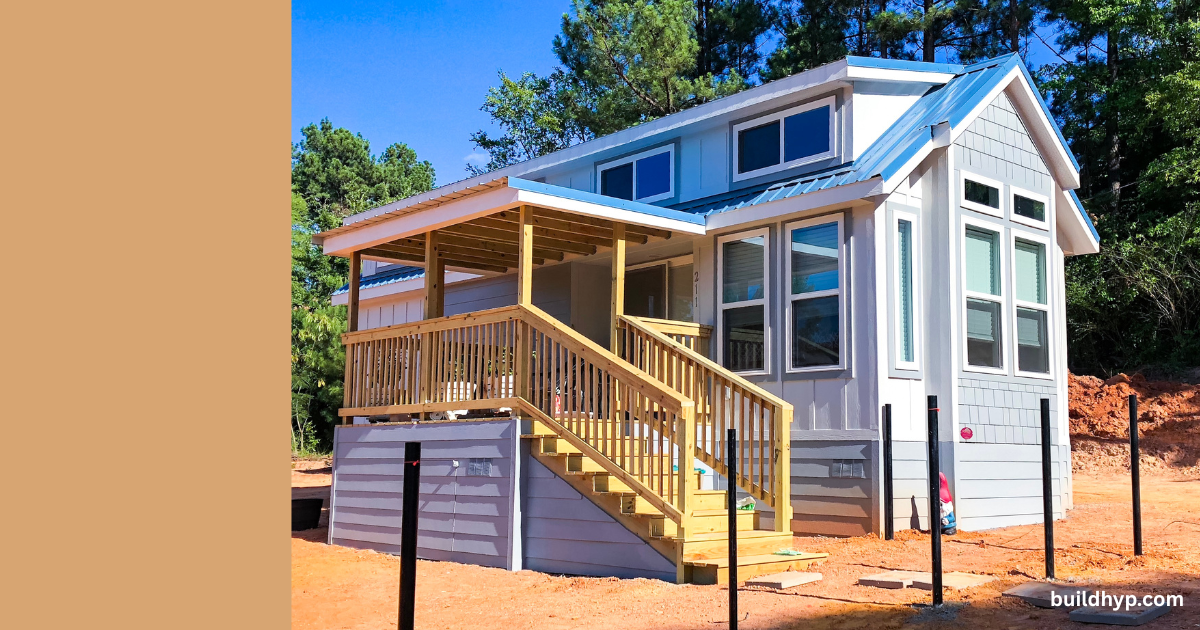
Buying Tiny Cabin Homes in Tampa can cost far less than a conventional house, but the final budget depends on more than the cabin itself. A basic 100- to 200-square-foot unit may start around $30,000 to $70,000, while a finished 300- to 500-square-foot model can reach $80,000 to $150,000 or more.
Land, delivery, foundation, utilities, permits, storm-resistant construction, and site work can add substantially to the bill. For context, a Realtor reported a $400,000 median list price in Tampa in June 2026, showing why smaller housing formats attract attention.
Typical Price Range for Tiny Cabin Homes
The cost of tiny cabin houses in Tampa varies widely because manufacturers don’t all include the same features. A shell-only cabin can look inexpensive online, yet a move-in-ready unit with a kitchen, bathroom, HVAC, appliances, and upgraded finishes costs much more.
For Tampa buyers, a practical 2026 planning range looks like this:
| Cabin type | Approximate cabin price | Typical size |
| Basic shell or unfinished cabin | $25,000–$50,000 | 100–200 sq. ft. |
| Finished tiny cabin | $45,000–$90,000 | 150–300 sq. ft. |
| Premium prefab cabin | $70,000–$130,000 | 250–500 sq. ft. |
| Custom tiny cabin | $90,000–$175,000+ | 300–600 sq. ft. |
These are planning estimates rather than fixed Tampa market quotes. Features, transportation distance, engineering requirements, and site conditions can shift the final number considerably.
What Determines Tiny Cabin Home Prices in Tampa?
Several moving parts shape your tiny cabin cost in Tampa. The floor plan matters first, but construction quality and Florida-specific requirements can change the budget just as quickly.
Size, Layout, and Design
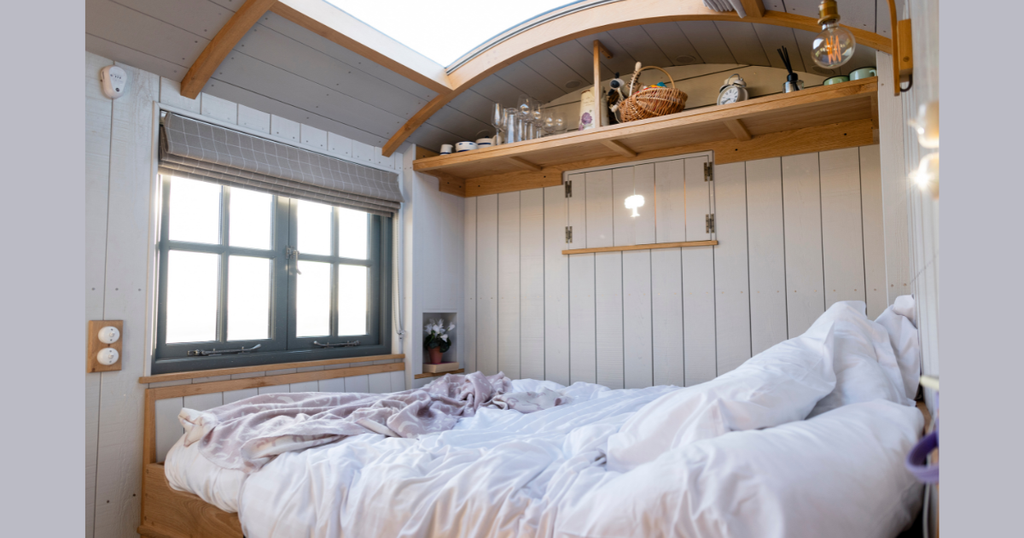
A compact 100-square-foot cabin doesn’t carry the same material and labor load as a 400-square-foot home. However, smaller doesn’t always mean dramatically cheaper per square foot. Kitchens, bathrooms, electrical panels, HVAC systems, and plumbing create fixed costs.
A 200-square-foot cabin might therefore have a higher tiny home cost per square foot than a 400-square-foot model. Smart layouts can reduce wasted space while preserving sleeping areas, storage, and usable living space.
Materials and Custom Features
Finishes can push a modest custom tiny home cost upward quickly. Hardwood cabinets, quartz counters, larger windows, built-in storage, upgraded insulation, solar equipment, and premium appliances all affect the final quote.
For example, an A-frame with standard finishes may cost considerably less than a custom cabin with a full kitchen and luxury bathroom. Ask the builder for an itemized specification sheet rather than comparing headline prices alone.
Florida Weather and Construction Requirements
Tampa construction has another consideration that buyers in milder regions may overlook: wind and storm exposure. The 8th Edition (2023) Florida Building Code incorporates updated wind provisions based on ASCE 7-22.
NOAA records the 1991–2020 Atlantic average at about 14 named storms, seven hurricanes, and three major hurricanes each year. That doesn’t mean every Tampa cabin needs the same upgrades. However, hurricane resistance, roof connections, openings, anchoring, and site-specific wind criteria deserve serious attention.
Additional Costs to Budget For
The advertised cabin price rarely represents the complete project. Your tiny home building expenses can include several separate line items.
Land and Site Preparation
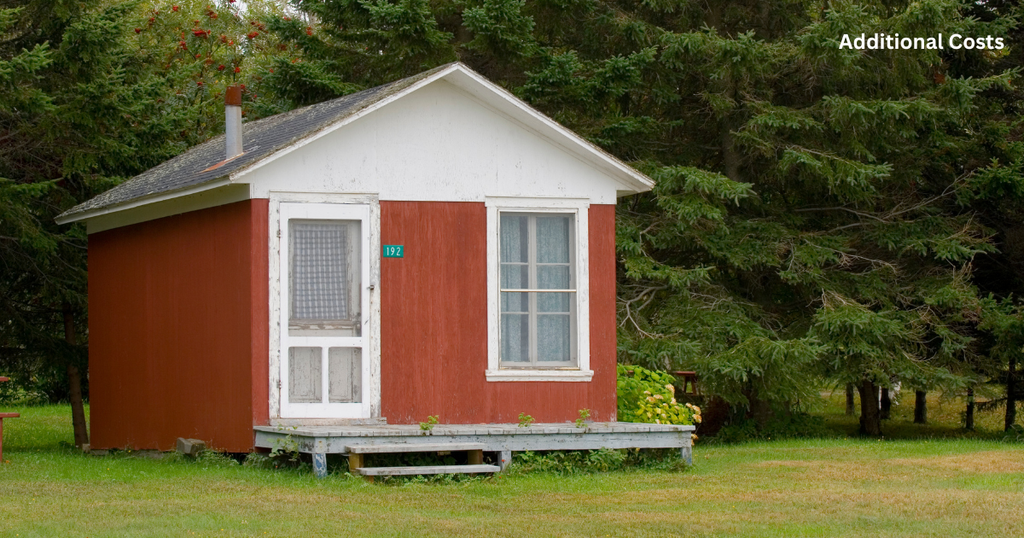
If you don’t already own suitable property, land may become the largest additional expense. Clearing vegetation, grading, drainage work, driveway improvements, and access for a delivery truck can also increase your budget. Flood exposure matters around Tampa Bay. Hillsborough County requires projects in special flood hazard areas to meet applicable flood, building, and land-development requirements.
Utilities and Foundation
Expect to budget separately for water, sewer or septic, electrical service, gas, internet, and stormwater work. A permanent cabin may also need a slab, pier system, or another approved foundation. As a rough planning allowance, buyers may reserve $10,000–$35,000+ for combined site preparation, foundation, and utility work. Difficult lots can push the number higher.
Permits, Delivery, and Installation
Your tiny home installation cost depends heavily on whether the unit arrives complete or requires assembly. Long-distance hauling, crane access, utility hookups, and final placement can create additional charges.
Permit expenses also vary by project and jurisdiction. City of Tampa accessory-structure applications can require site plans, elevations, structural details, wind information, foundation plans, and other documentation.
Tiny Cabin Home Types and Their Costs
Not every tiny cabin construction project follows the same path. Choosing the right format early can prevent expensive changes later.
Tiny Homes on Wheels
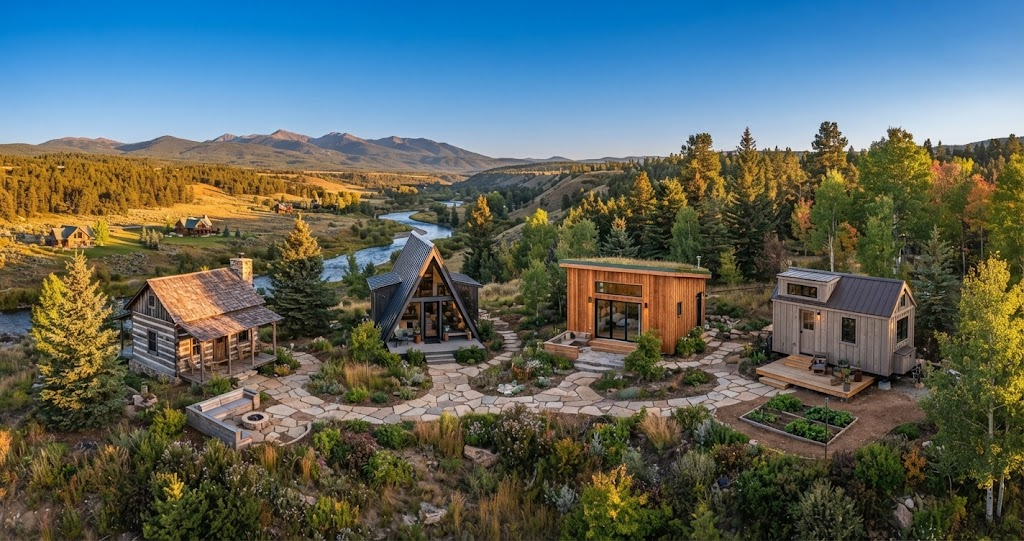
A tiny home on wheels (THOW) can provide flexibility because the structure travels like a specialized movable unit. However, don’t assume wheels automatically make a cabin legal as a permanent residence. Placement, occupancy, zoning, utility connections, and local rules still matter.
Park Model and Prefabricated Cabins
A park model or prefab cabin can shorten construction time because much of the work happens off-site. Factory production may also provide more predictable pricing. Typical prefab pricing can fall around $50,000–$120,000 before land and some site costs, depending on size and specifications.
Permanent Tiny Cabins
A permanent cabin generally provides the clearest path when you want a backyard dwelling, a full-time residence, or an ADU. It also brings more conventional foundation, building-code, and permitting requirements. For comparison, 100 square feet may suit a weekend cabin, while 400 to 500 square feet can support a more complete living arrangement.
Tampa Zoning and Placement Considerations
Before ordering a cabin, check the property rules. A beautiful cabin that cannot legally occupy your lot is an expensive mistake.
Where Tiny Cabins Can Be Located
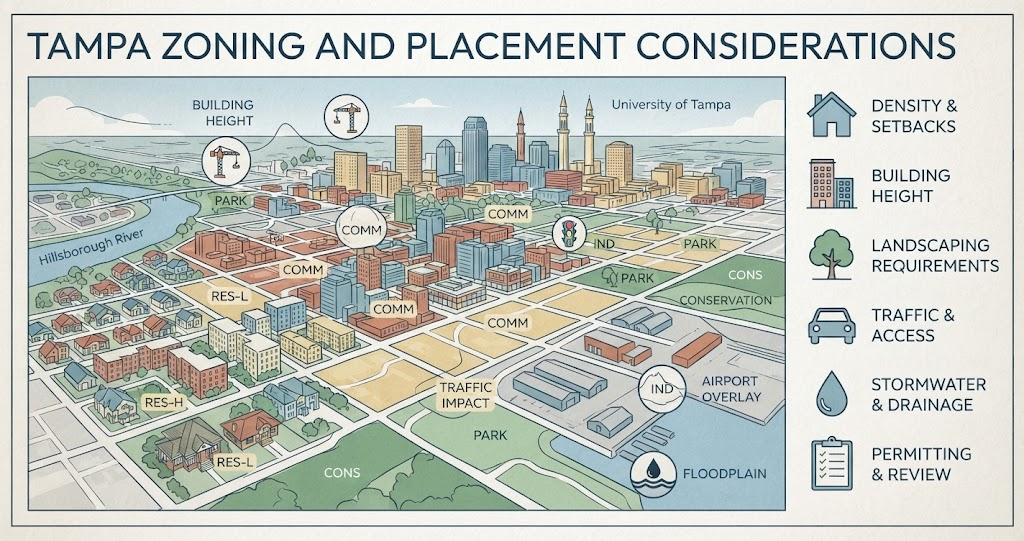
City of Tampa rules specifically address accessory dwelling units (ADUs). Current city information identifies areas including Seminole Heights, Lowry Park, East Tampa, and Tampa Heights, while the city has also expanded eligible areas under newer rules. Hillsborough County uses its own Land Development Code covering zoning, development options, and land use.
Rules for Permanent and Movable Homes
A tiny home used as a backyard ADU isn’t necessarily treated like an RV or THOW. Likewise, rules can differ between Tampa, unincorporated Hillsborough County, Brandon, and nearby municipalities. Don’t rely on listings for legal guidance. Confirm zoning, setbacks, flood requirements, allowable use, parking, and permit requirements with the relevant local authority before paying a deposit.
Buying vs. Building a Tiny Cabin Home
Your choice between buying and building can change both cost and risk.
Custom-Built vs. Prefabricated Options
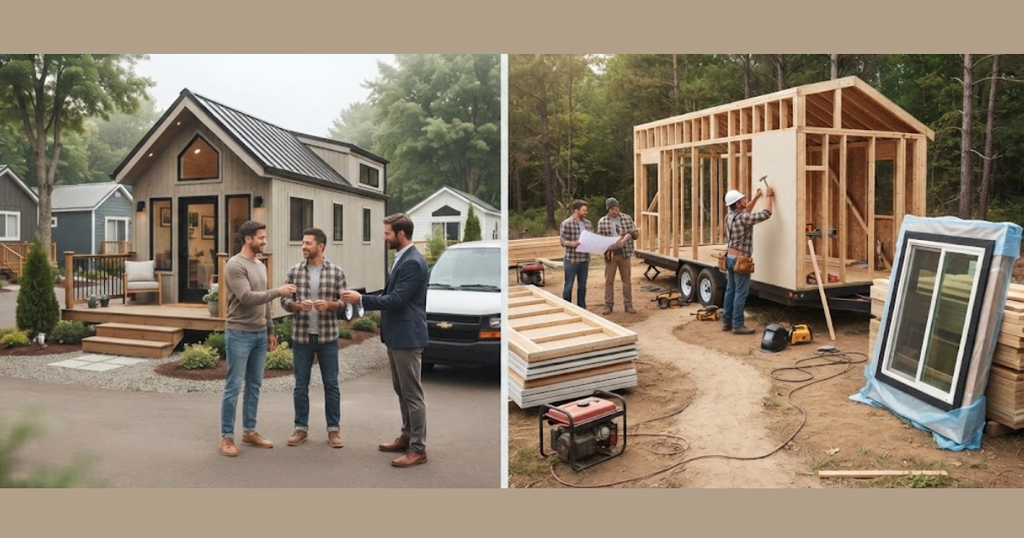
A prefab home generally offers a clearer starting price and faster production. A custom builder gives you greater control over storage, windows, bathrooms, lofts, and finishes.
For many buyers, the sensible comparison isn’t simply custom tiny home cost versus prefab price. Compare the completed project cost instead, including transportation, site preparation, installation, permits, and utility connections.
DIY Cost Considerations
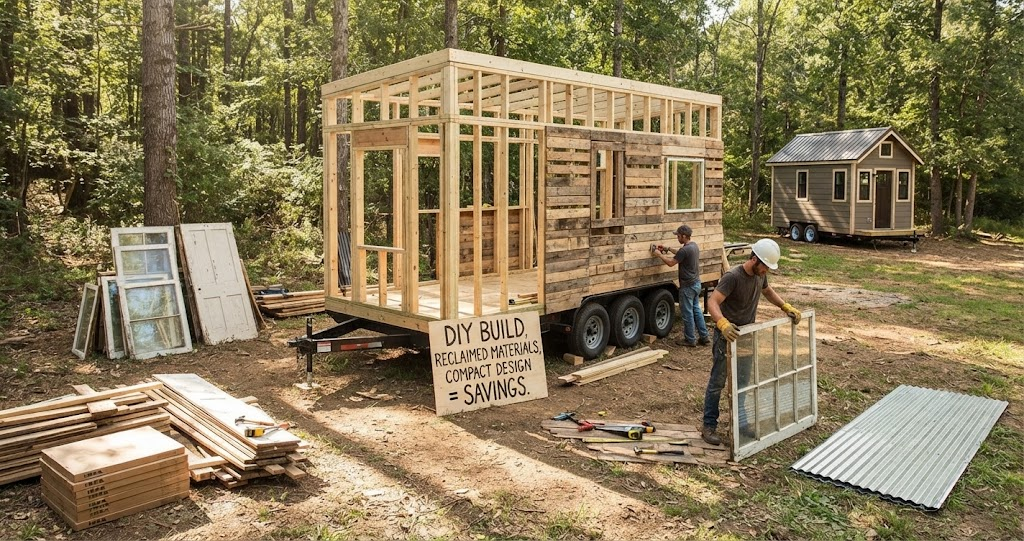
DIY construction can reduce labor costs, but it requires time, tools, planning, and code knowledge. Electrical, plumbing, structural, and wind-related work may require qualified professionals or specific approvals. A DIY cabin can make sense for an experienced builder. For most first-time buyers, however, a hybrid approach can be easier to manage.
How to Reduce Tiny Cabin Home Costs
You don’t need to strip the cabin down to its basics to control spending. Instead, focus your budget on features that affect daily use, durability, and compliance.
Choose a Practical Size and Layout
Avoid paying for square footage you won’t use. A well-designed 300-square-foot cabin can feel surprisingly spacious when storage, kitchen placement, and circulation work together.
Compare Builders and Features
Request several detailed quotes. Check whether each price includes appliances, HVAC, windows, foundation, delivery, installation, and permit assistance. Also research Tampa tiny home builders carefully. Ask about Florida code experience, wind requirements, insurance, warranties, and previous projects.
Plan for Long-Term Expenses
A cheaper cabin isn’t always cheaper to own. Consider insurance, HVAC servicing, roof maintenance, exterior upkeep, utilities, and replacement of appliances. Florida’s insurance regulator notes that premiums vary with construction type, dwelling value, mitigation features, deductibles, and other factors.
Is a Tiny Cabin Home Affordable in Tampa?
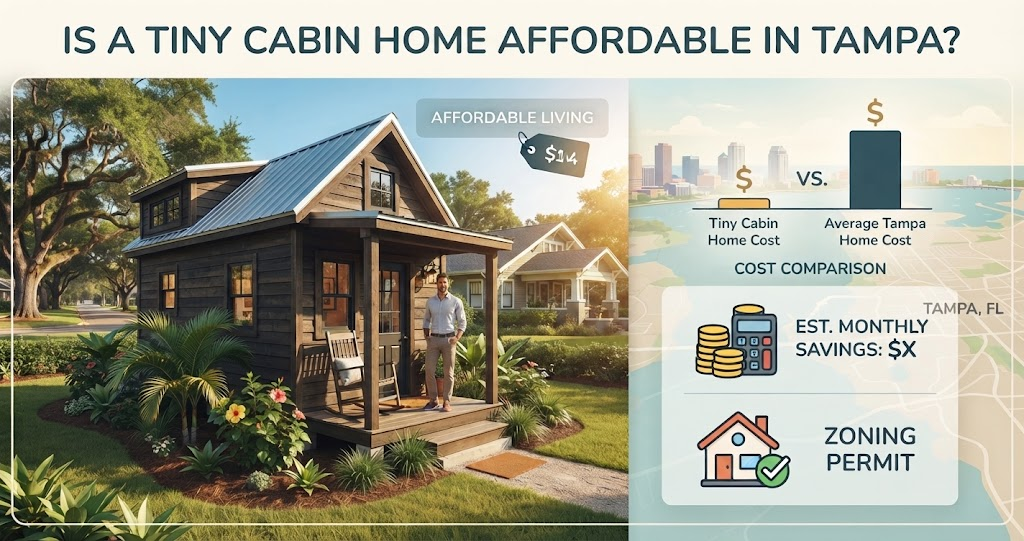
A tiny cabin can be an affordable alternative to conventional housing, but affordability depends on the complete project rather than the sticker price. Tampa buyers should compare the tiny home investment cost against land, financing, utilities, insurance, maintenance, and legal placement.
Total Cost of Ownership
For a finished cabin, a reasonable planning budget might look like:
- Cabin: $45,000–$130,000
- Foundation or placement: $5,000–$20,000+
- Site preparation: $3,000–$15,000+
- Utilities: $5,000–$20,000+
- Delivery and setup: $3,000–$10,000+
- Permits and professional services: $2,000–$8,000+
- Land: separate and highly location-dependent
Consequently, a $60,000 cabin can become a $75,000–$110,000 project after essential site costs. Always request a complete project estimate before comparing it with conventional housing.
Key Costs to Consider Before Buying
Before purchasing tiny cabin homes in Tampa, confirm five things: legal placement, total installed price, flood exposure, storm requirements, and financing. Tampa’s housing market also gives buyers useful context. Hillsborough County reported a $371,500 median value for owner-occupied housing units for 2020–2024.
Ultimately, the right cabin budget depends on how you plan to use the property. A weekend retreat, backyard ADU, rental, home office, or full-time residence can require very different specifications. Get the zoning and site questions answered first. Then compare cabin quotes using the complete installed cost, not merely the advertised unit price.
FAQs
What is the average cost of a tiny home in Florida?
In 2026, a typical tiny home in Florida can cost roughly $30,000–$150,000, depending on size, construction, finishes, and whether land and site work are included.
Is there a tiny home community in Tampa, Florida?
Yes. ESCAPE Tampa Bay Village is a tiny-home community near Tampa with access to I-75 and I-4.
What is the average cost of a tiny house in the US?
A commonly cited 2026 average is around $67,000, although actual prices vary substantially by size, construction method, and location.
Can I buy a tiny home in Florida?
Yes. You can buy a tiny home in Florida, but whether you can place and live in it depends on local zoning, building codes, foundation type, and property rules.
How many square feet is a small house?
There is no single legal definition of a small house. Generally, 400–1,400 square feet is considered small housing, while tiny homes are typically much smaller.

Welcome to BuildHyp! I’m an SEO Expert with several years of experience in SEO, link building, and website growth. I’m passionate about helping websites improve their online visibility and reach the right audience.
At BuildHyp, I share informative and useful blogs on different topics to provide readers with practical and easy-to-understand information. For SEO-related questions, collaborations, or any other inquiries, feel free to contact me.
2 thoughts on “How Much Do Tiny Cabin Homes Cost in Tampa, Florida? ”
Comments are closed.