

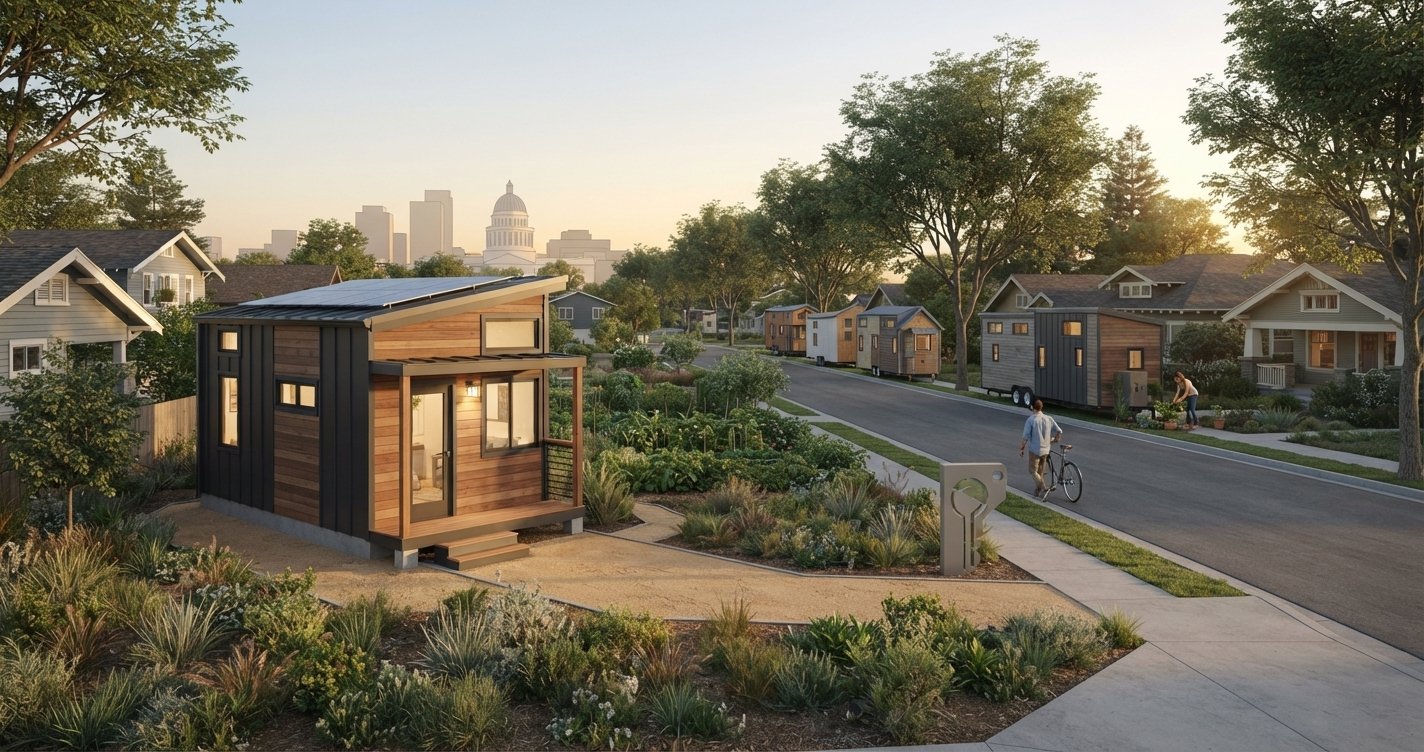
Thinking about tiny home living in Sacramento? “Can You Legally Live in a Tiny Home” depends on your property’s location, zoning, and the type of tiny home you choose. City and county rules can differ, especially for homes on wheels, permanent-foundation units, and ADUs.
This guide explains Sacramento tiny home laws, zoning requirements, permits, utility connections, and potential costs. You’ll also learn how to check your property’s jurisdiction and confirm whether your tiny home can legally serve as a full-time residence.
Is Your Sacramento Property Eligible for Tiny Home Living?
Your first step is simple: check property jurisdiction. A Sacramento address may fall inside the City of Sacramento, unincorporated Sacramento County, or another nearby municipality. Each jurisdiction can apply different zoning, building, and placement requirements.
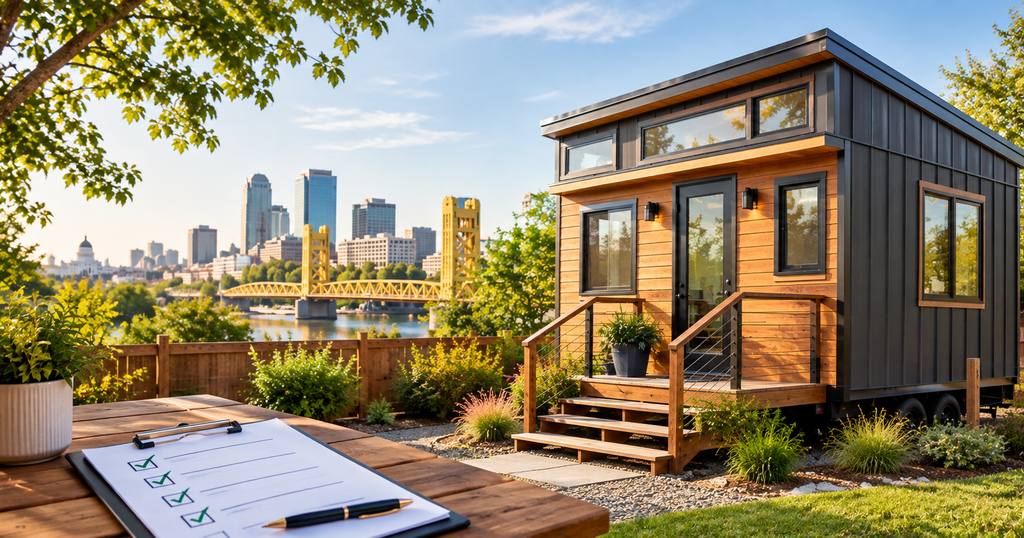
The distinction matters because the City of Sacramento tiny home regulations recognize tiny houses within its residential planning framework, while Sacramento County takes a more restrictive position on tiny homes. County guidance states that tiny homes that are movable or much smaller than average single-family homes aren’t allowed unless placed on a permanent foundation and built to residential codes.
Useful Sacramento housing facts:
- Sacramento’s estimated population reached 536,449 in July 2025.
- The city had 211,869 housing units in the 2024 Census estimates.
- Sacramento’s tiny-house design guidance identifies lots as small as 1,200 square feet as potentially suitable for one or two tiny houses, subject to applicable code requirements.
These numbers show why compact housing can attract attention in the region. However, housing demand doesn’t override zoning or building requirements.
Is Living in a Tiny Home Legal in Sacramento?
The legal answer depends on the home’s classification and location. A legal tiny home in Sacramento generally needs to function as a permitted dwelling rather than simply as a trailer parked on residential property.
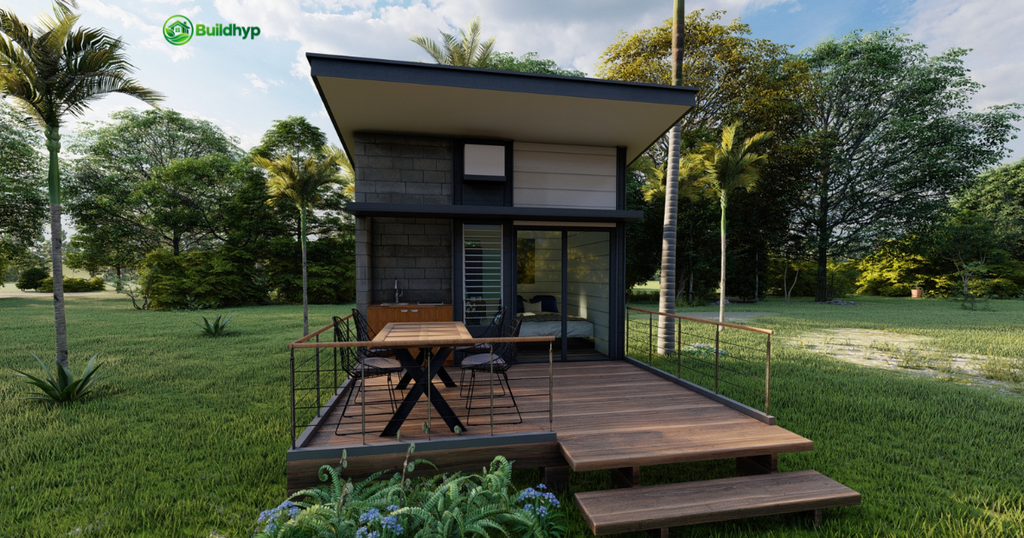
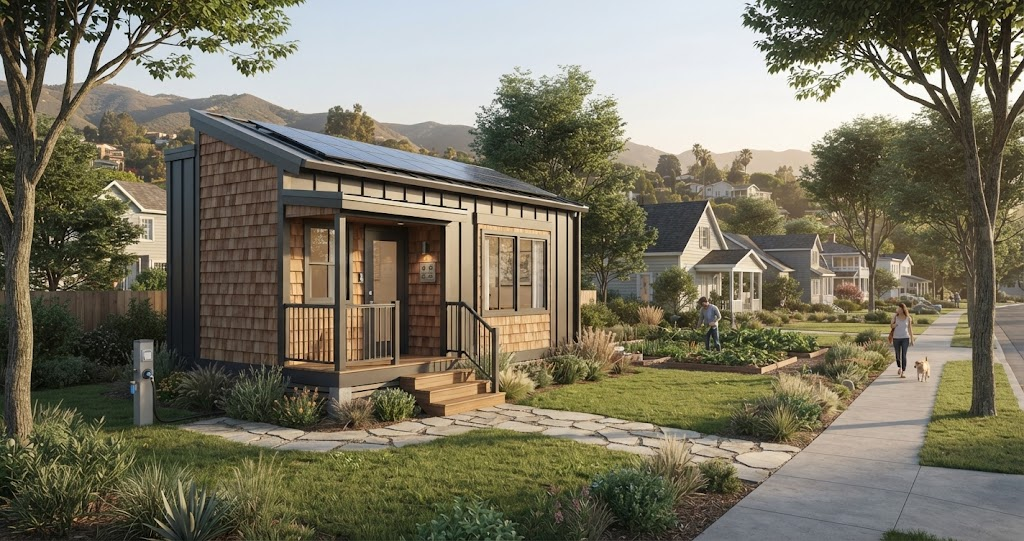
A residential tiny home on a permanent foundation must satisfy applicable zoning, building, utility, safety, and site requirements. Sacramento’s published tiny-house standards state that tiny houses must have permanent foundations, connect to sewer, water, and electricity, and meet the California Residential Code and applicable local design guidelines.
A tiny home on wheels as a residence is different. A towable unit can have DMV registration or third-party certification, yet those credentials don’t automatically give it residential status on a Sacramento lot.
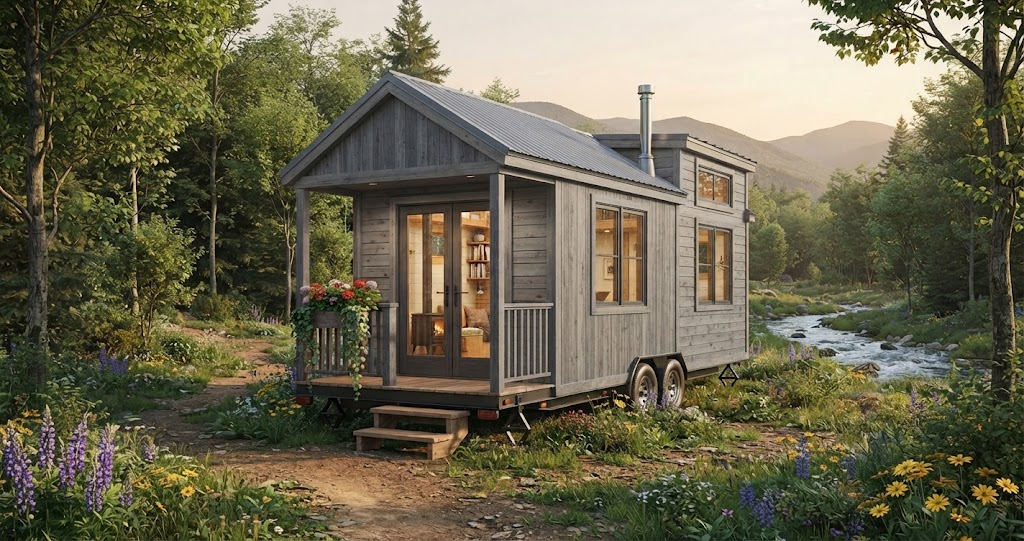
California guidance also distinguishes recreational vehicles from permanent dwellings. RVs are designed for recreational or temporary occupancy rather than permanent residential use.
Sacramento City vs. Unincorporated County Rules
The biggest dividing line is jurisdiction. City of Sacramento versus Sacramento County isn’t simply a matter of different permit offices. The two jurisdictions can treat tiny housing differently.
| Location | General pathway | Key issue |
| City of Sacramento | Permanent tiny house may be possible | Zoning, foundation, utilities, design, and building compliance |
| Unincorporated Sacramento County | Permanent-foundation tiny home required | Residential building codes and zoning compliance |
| West Sacramento | Separate city and county jurisdiction | Check West Sacramento’s current zoning and building rules |
West Sacramento tiny homes also require separate research because West Sacramento is a different city in Yolo County. Don’t apply a West Sacramento tiny home ordinance or rule to a Sacramento City property without checking the actual jurisdiction.
What Qualifies as a Legal Tiny Home?
Size alone doesn’t determine legal status. A small building can qualify as housing when it satisfies the applicable residential rules, while a larger trailer may remain a vehicle or recreational unit.
Tiny Home Rules in the City of Sacramento
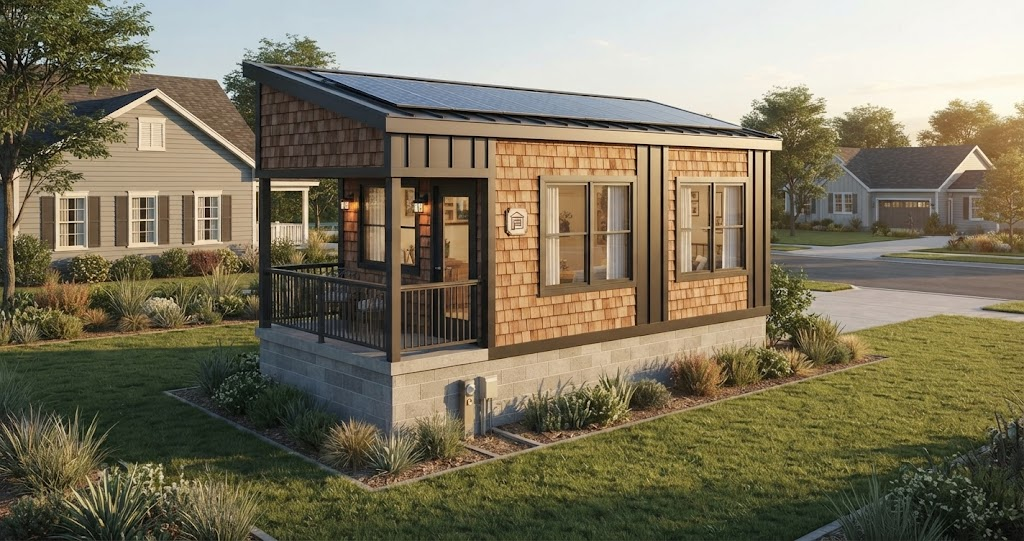
Sacramento has published specific development standards for tiny houses. Those standards call for a permanent foundation, utility connections, compliance with the California Residential Code, and compatibility with surrounding residential development.
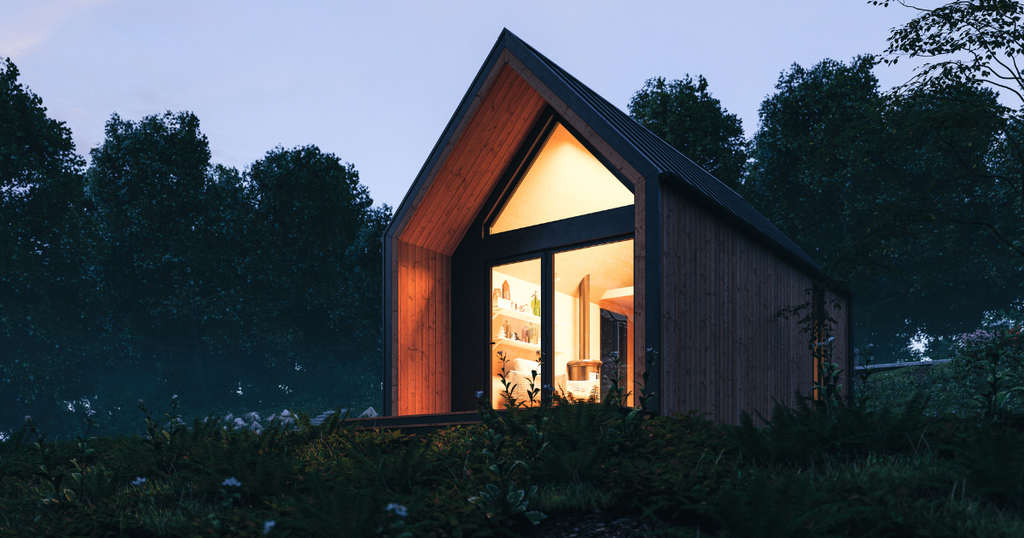
The city guidance also addresses setbacks, orientation, architectural compatibility, and site design. For example, tiny houses facing a public street should relate to nearby homes in orientation and setback. Exterior elements such as roofing, siding, windows, and doors should also fit the surrounding neighborhood.
Tiny Homes on Wheels and Cottages on Wheels
A THOW Sacramento buyer needs extra caution. Wheels, a trailer chassis, or California DMV registration don’t automatically create a legal dwelling.
Sacramento’s zoning FAQ states that trailers and trailer coaches generally cannot remain on a city lot as living quarters for more than 48 hours unless they are maintained in an authorized camp.
Therefore, a certified tiny home on wheels shouldn’t be treated as automatically suitable for full-time tiny home living. A tiny home DMV registration may address vehicle requirements, while residential zoning addresses whether you can legally live there.
Permanent-Foundation Tiny Homes
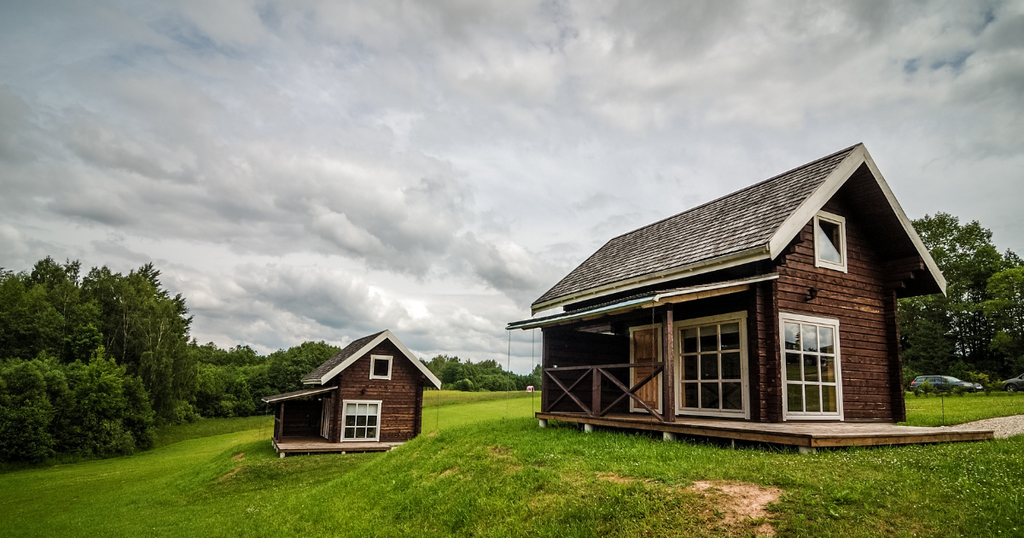
A permanent foundation tiny home follows a more conventional residential pathway. The foundation must suit the structure and site, while plumbing, electrical, structural, energy, fire, and sanitation systems must meet applicable requirements.
California’s current code framework also includes tiny-house provisions. The former Appendix AQ tiny houses designation was carried forward as Appendix BB Tiny Houses in the 2025 California Residential Code adoption process.
That means buyers should ask builders exactly which code standard applies to the proposed structure rather than relying on marketing language such as “code compliant.”
Tiny Home Rules in Sacramento County
The Sacramento County tiny home rules are more straightforward. County planning guidance says a tiny home is not allowed unless it sits on a permanent foundation and meets residential building codes.
Foundation and Zoning Requirements
A property in unincorporated Sacramento County still needs appropriate zoning for the proposed dwelling. The project may also need compliance with setbacks, lot coverage, access, parking, utility, fire, and other site standards.
Manufactured homes have a separate pathway. County guidance says manufactured homes can generally serve as primary residences or ADUs when they meet the standards in Sacramento County Zoning Code Section 3.5.1.E.
Agricultural and Other Special Cases
Agricultural property can involve another legal pathway. Sacramento County’s housing documents describe agricultural accessory dwellings in General Agriculture zones and identify special rules for farmworker housing.
The California Employee Housing Act also matters where a project involves agricultural employee housing. Certain farm-labor housing arrangements receive protections under state law, but those provisions shouldn’t be confused with ordinary residential tiny homes.
Can You Use a Tiny Home as an ADU?
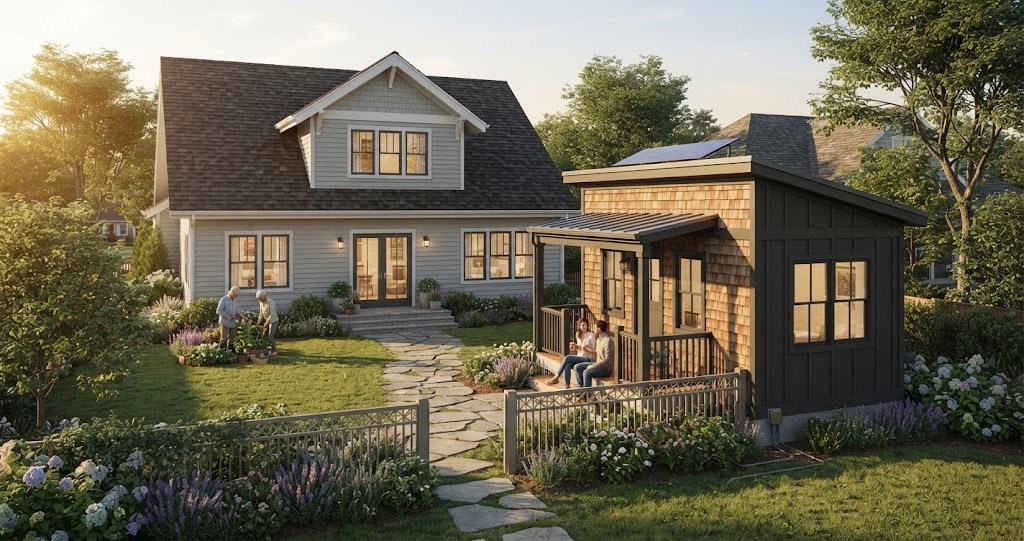
Yes, a small dwelling can potentially operate as a tiny home ADU in a Sacramento project when it meets ADU and residential requirements. The key point is that calling something an ADU doesn’t bypass construction rules.
Tiny Home ADU Requirements
An ADU is a permanent dwelling with facilities for living, sleeping, eating, cooking, and sanitation. California HCD’s March 2026 handbook confirms that ADU law remains an important statewide housing pathway.
In unincorporated Sacramento County, an ADU is generally allowed up to 850 square feet for one bedroom or 1,000 square feet for two or more bedrooms in most zones.
Tiny Homes on Wheels vs. Permanent ADUs
A tiny home on wheels isn’t automatically an ADU. A permanent ADU follows residential building and zoning requirements, while a towable unit may fall under vehicle, RV, manufactured-housing, or other regulations.
For a Sacramento backyard cottage, focus first on the legal classification. Then verify whether the proposed unit can satisfy the applicable Sacramento ADU rules.
Permits and Requirements for a Legal Tiny Home
A legal project usually requires more than ordering a tiny house and arranging delivery.
Zoning, Setbacks, and Site Requirements
Before purchasing, verify:
- Property jurisdiction and zoning
- Whether a dwelling or ADU is allowed
- Required setbacks and lot coverage
- Access for emergency vehicles
- Foundation requirements
- Flood or site constraints
- Design and exterior requirements
- Utility connection requirements
The city’s permitting system confirms that residential construction can involve building, planning, fire, utility, transportation, and other fees depending on the project.
Utilities, Building, and Installation Permits
Expect permits for applicable structural, electrical, plumbing, mechanical, water, sewer, or installation work. Sacramento’s required-permit guidance specifically identifies water and sewer services among work that may require permits.
Don’t assume tiny home utility connections are simple. Long runs from the main house, sewer upgrades, electrical service changes, trenching, or difficult site access can materially increase costs.
How Much Does a Tiny Home in Sacramento Cost?
Price varies sharply by construction type and site conditions. A basic tiny house advertised online may cost far less than a permitted Sacramento dwelling with a foundation and complete utility connections.
Current national cost data places many tiny-home builds around $30,000–$60,000, while tiny homes on wheels can run roughly $60,000–$80,000 before land and many site expenses.
For Sacramento planning purposes, a realistic budget can look like this:
| Expense | Typical planning range |
| Tiny home structure | 50,000–100,000+ |
| Foundation/site work | 5,000–20,000+ |
| Utility connections | 5,000–25,000+ |
| Design, surveys, and engineering | 2,000–10,000+ |
| Permits and government fees | 1,000–10,000+ |
| Total project | Often 70,000–150,000+ |
These are planning ranges, not official Sacramento fee quotes. Soil conditions, utility distance, project valuation, design complexity, and required improvements can change the final amount.
For perspective, a City of Sacramento ADU fee estimate published in 2025 showed approximately $5,135 in listed fees for one sample $127,929 project, while larger examples exceeded $10,000. The city warns that actual fees vary by project and location.
How to Check If Your Sacramento Property Allows a Tiny Home
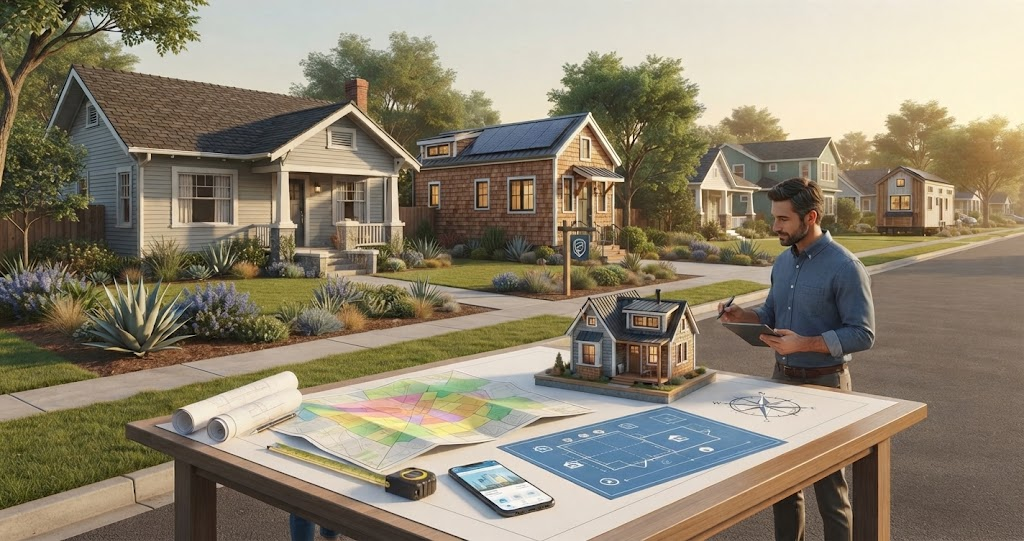
Before signing a purchase contract, confirm the legal pathway with the relevant planning and building departments.
Verify Zoning and Housing Type
Start by identifying whether your property is inside Sacramento city limits or in unincorporated Sacramento County. Then ask whether the proposed unit can qualify as a dwelling, ADU, manufactured home, or another permitted housing type.
Don’t rely solely on a builder’s statement that a unit is “legal in California.” California tiny home laws establish statewide standards, but local zoning determines what can be placed on a particular property.
Confirm Permits and Site Requirements
Get the answers in writing whenever possible. Ask about:
- Zoning and allowable housing type
- Permanent foundation requirements
- Setbacks and site access
- Water, sewer, and electricity
- Building and installation permits
- Fire and safety requirements
- Design or architectural standards
- Whether full-time habitation is permitted
The safest legal pathways for tiny living in Sacramento generally involve a properly permitted residential structure rather than treating a towable unit as a substitute for a permitted dwelling.
Bottom line
If you’re wondering, “Can You Legally Live in a Tiny Home in Sacramento”, start by checking the property before buying the tiny home. Confirm its jurisdiction, zoning, legal classification, foundation requirements, utilities, and permits.
These checks can help you avoid an expensive mismatch between the tiny house you purchase and the property where you plan to live. Once you understand the local requirements, you can choose a tiny home that fits Sacramento’s rules and your long-term housing needs.

Welcome to BuildHyp! I’m an SEO Expert with several years of experience in SEO, link building, and website growth. I’m passionate about helping websites improve their online visibility and reach the right audience.
At BuildHyp, I share informative and useful blogs on different topics to provide readers with practical and easy-to-understand information. For SEO-related questions, collaborations, or any other inquiries, feel free to contact me.