

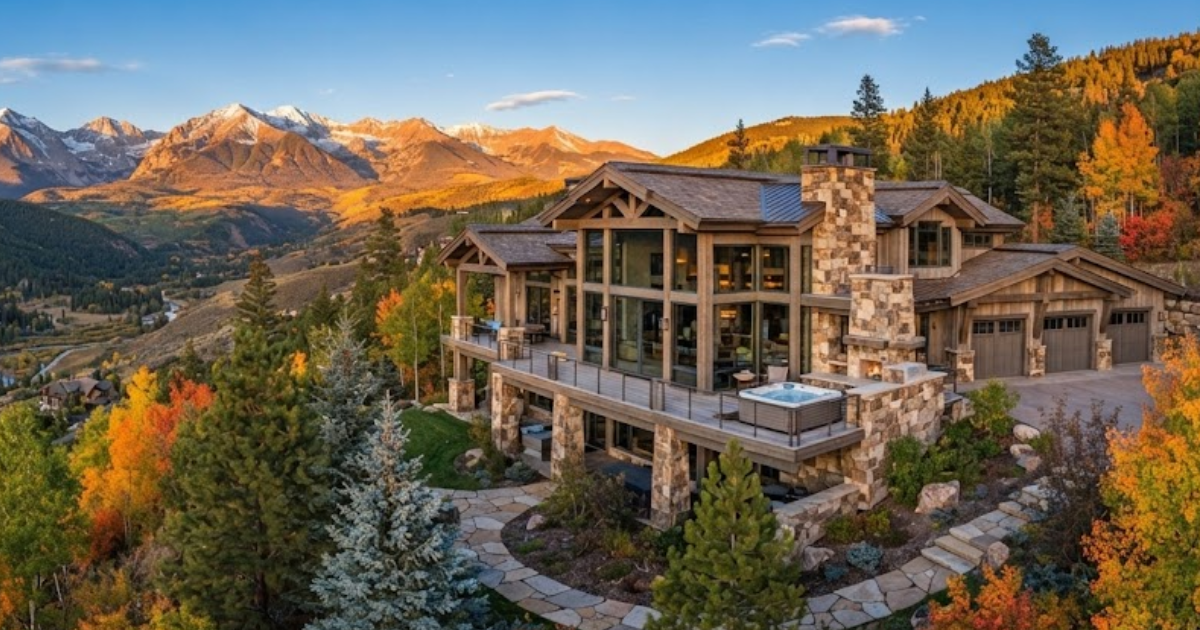
Buying Colorado mountain houses in 2026 takes careful planning. You need to choose the right mountain town and understand home prices, financing, insurance, and local rules. Colorado’s housing market is now more balanced, giving buyers more choices in many areas. However, popular resort towns can still have high demand. This guide covers where to buy mountain houses in Colorado, what they cost, what to check before buying, and the key steps to make a purchase in 2026.
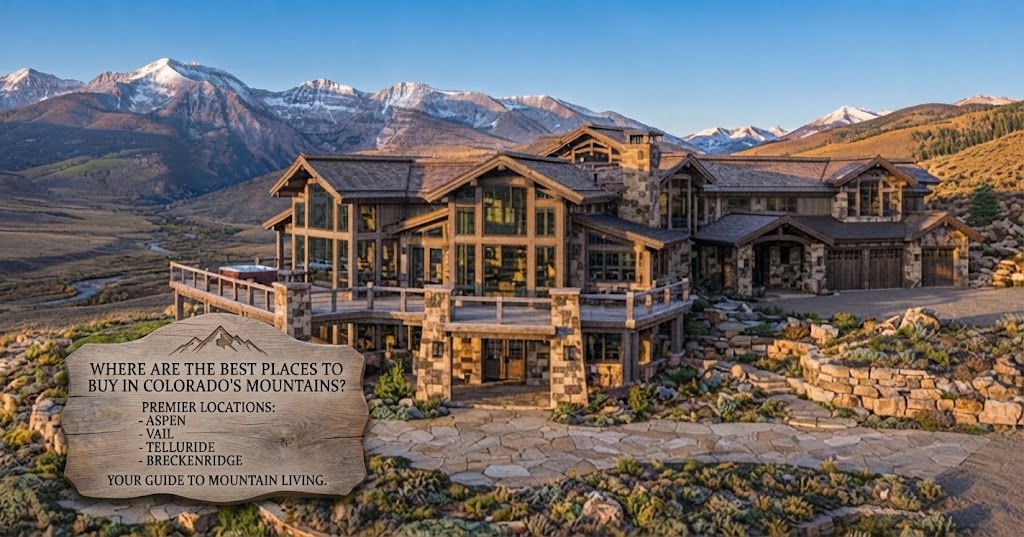
Where Are the Best Places to Buy in Colorado’s Mountains?
Colorado has mountain communities for different budgets and lifestyles. Popular destinations include Breckenridge, Frisco, Silverthorne, Keystone, Vail, Avon, Edwards, Steamboat Springs, Telluride, and Estes Park.
Popular Mountain Towns and Communities
- Summit County: Strong ski access and established tourism.
- Eagle County: Vail Valley properties range from condos to luxury homes.
- Routt County: Steamboat Springs offers skiing and year-round living.
- San Miguel County: Telluride remains a premium resort market.
- Park County: Bailey and nearby communities generally offer lower entry prices.
- Foothills: Conifer, Evergreen, and Nederland provide mountain living closer to Denver.
How Location Affects Price and Accessibility
Properties near ski lifts, town centers and major highways tend to be more expensive. The more remote homes may be less expensive, but harder to get to in the winter and may require more maintenance.
What Does the Colorado Mountain Housing Market Look Like in 2026?
The Colorado real estate market in 2026 is much more balanced than the ultra-competitive pandemic-era market. But good ski properties still can generate strong buyer interest.
Home Prices, Inventory, and Buyer Competition
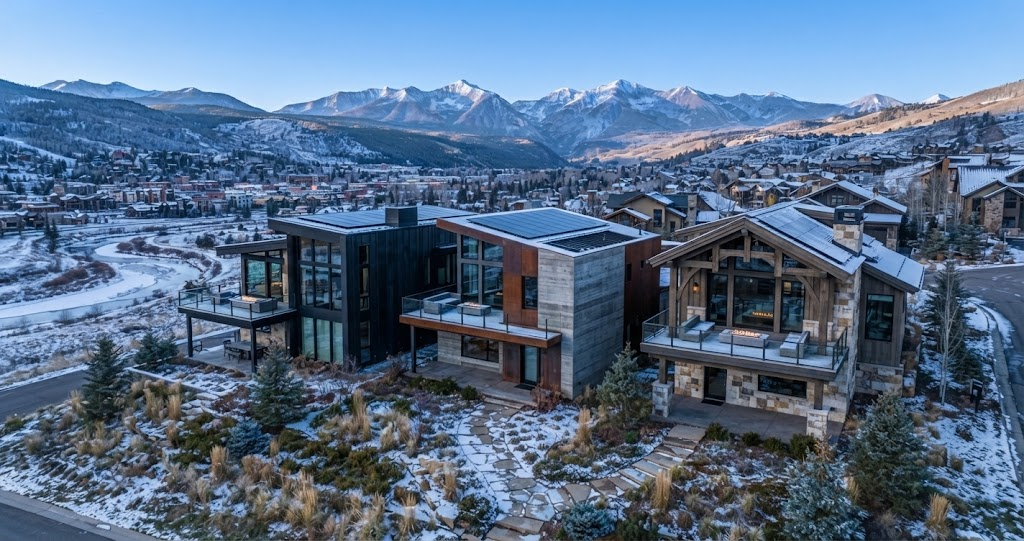
Prices vary considerably across mountain counties. For example, 2026 market data places Park County well below Eagle and Routt counties. Summit County also shows substantial differences between single-family homes and multi-family properties.
| Market | Approx. 2026 Price Level |
| Park County | $500K+ |
| Eagle County | $1M+ |
| Routt County | $1M+ |
| Summit County | $1M+ |
Treat county figures as broad benchmarks. Colorado buyers’ mountain home prices can vary wildly by neighborhood, property type, views, ski access and condition.
Key Trends Shaping Mountain Property Demand
Colorado mountain real estate is still affected by limited buildable land, demand for tourism, recreation and second homes. There may also be significant differences between peak ski periods and quieter months due to seasonal demand.
What Does It Cost to Own a Mountain Home in Colorado?
The purchase price only covers part of the financial picture. You should also calculate taxes, insurance, utilities, maintenance, and HOA expenses.
Purchase and Closing Costs
Depending on location and property type, 2026 buyers may find:
- Smaller mountain homes and cabins: roughly $500,000–$800,000
- Condos and townhomes: often $700,000–$1.5 million
- Larger resort homes: commonly $1.5 million–$3 million+
- Luxury properties: potentially $3 million+
Closing costs, inspections, lender fees, and prepaid expenses add to your upfront budget.
Taxes, HOA Fees, Utilities, and Maintenance
Mountain ownership can bring expenses that city buyers may overlook:
- Snow removal and driveway maintenance
- Roof and exterior repairs
- Heating and energy costs
- HOA dues and special assessments
- Property taxes
- Homeowners insurance
- Septic and well maintenance
- Property management for rentals
What Should You Inspect Before Buying?
Colorado mountain home inspection should look at more than the cosmetic issues. The danger is compounded by mountain terrain and weather.
Winter Access, Roads, and Snow Conditions
Check road ownership, plowing agreements, driveway conditions, snow loads and emergency access. If you can, try to view the property in the winter.
Water, Septic, Utilities, and Internet
Look into research wells, septic systems, water rights, electricity, heating and internet access for rural properties. Check permits as applicable. Check maintenance records as applicable.
Wildfire Risk, Drainage, and Insurance
Review wildfire exposure, drainage, slopes, retaining walls, and roof condition. Obtain a Colorado mountain home insurance quote before your due diligence period ends. Also review the title commitment, access easements, property disclosures, mineral rights, and land-use restrictions.
How Can You Finance a Mountain Home?
Financing depends on whether you’re buying a primary residence, second home, or investment property.
Primary Residence and Second-Home Loans
Colorado second home financing may require stronger reserves and a larger down payment than a primary residence. Lenders also consider credit, income, debt, and the property’s condition. Get pre-approved before starting your property search. Compare lenders because financing requirements and interest rates can differ.
Mountain Property Insurance and Lending Considerations
Some mountain properties can present insurance challenges because of wildfire exposure, remote access, or construction characteristics. Confirm insurance availability early rather than after making an offer.
Can You Rent Out a Mountain Property?
Rental income can make Colorado vacation homes attractive, but local rules matter.
Short-Term Rental Regulations
Colorado STR regulations vary by city and county. Some communities limit licenses, occupancy, rental nights, or eligible properties. Before buying, confirm:
- Zoning district
- STR license requirements
- Occupancy limits
- Local lodging taxes
- Rental-night restrictions
- Property management costs
HOA and Local Restrictions
An HOA may restrict short-term rentals even when local law permits them. Review the mountain property HOA, CC&Rs, HOA financials, and special assessments before purchasing.
When Is the Best Time to Buy in Colorado’s Mountains?
Every season reveals different information about a property.
Seasonal Advantages for Buyers
Winter reveals snow, heating, frozen-pipe, and road-access problems. Summer makes it easier to inspect roofs, decks, drainage, and surrounding land. Spring can expose runoff and drainage issues.
Why Winter Conditions Matter During Due Diligence
Don’t judge accessibility from a summer visit alone. A steep driveway or remote road can become a serious issue after heavy snowfall.
What Are the Steps to Buying a Mountain Home?
A clear process can prevent expensive surprises.
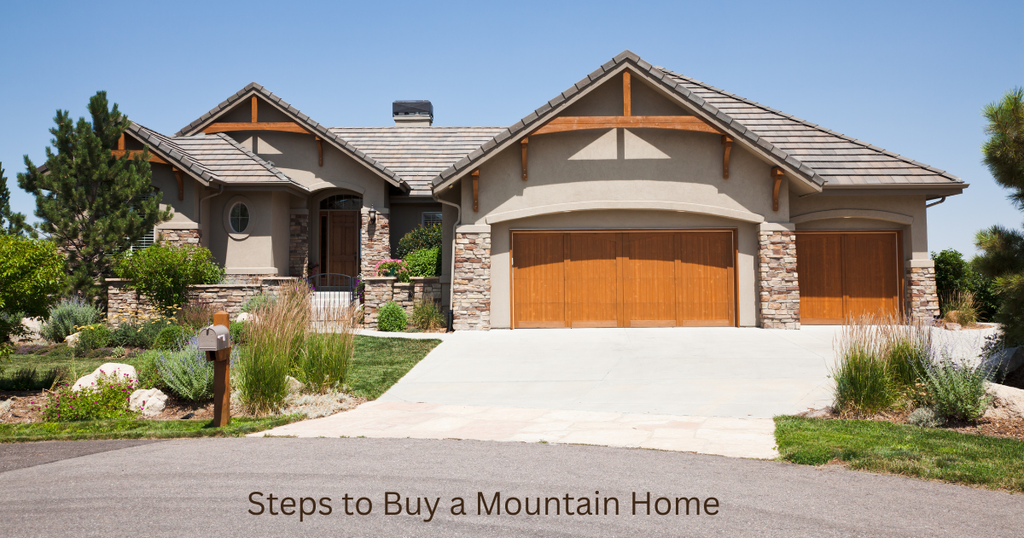
1. Set Your Budget and Get Pre-Approved
Calculate your down payment, mortgage payments, taxes, insurance, HOA dues, and maintenance costs. Keep financial reserves for unexpected repairs.
2. Choose a Local Real Estate Professional
A local agent understands Colorado mountain real estate, neighborhood differences, road conditions, rental restrictions, and comparable sales.
3. Complete Inspections and Final Due Diligence
Before closing, verify the inspection, title, insurance, utilities, HOA documents, zoning, access, and rental requirements. Don’t rely solely on listing information.
What Should You Know Before Making an Offer?
A smart offer considers more than the asking price. Compare the property’s condition, location, carrying costs, rental potential, and resale value.
Compare Total Ownership Costs
A lower-priced cabin may require substantial spending on heating, snow removal, roads, septic, or repairs. Include those costs when calculating affordability.
Review Resale Potential and Long-Term Needs
Consider your investment horizon and future plans. Properties with convenient access, desirable locations, strong infrastructure, and broad buyer appeal may provide better long-term flexibility. Ultimately, buying Colorado mountain houses works best when you balance lifestyle with financial reality. Look beyond the scenery, investigate the property carefully, and understand the local market before committing.
FAQs
What will the Colorado housing market look like in 2026?
Colorado’s market is moving toward a more balanced environment, with steadier prices, more buyer options, and manageable inventory. Higher mortgage rates are still limiting demand and affordability.
Is a mountain house a good investment?
It can be, particularly in established resort and recreation markets, but returns depend on purchase price, rental rules, operating costs, and long-term demand. A mountain property isn’t automatically a good investment.
Which mountain city in Colorado is considered the best to live in?
Steamboat Springs is often considered one of Colorado’s strongest all-around mountain communities because it combines recreation, amenities, and year-round community life. The best choice ultimately depends on your budget and lifestyle.
What is the prettiest mountain town in Colorado?
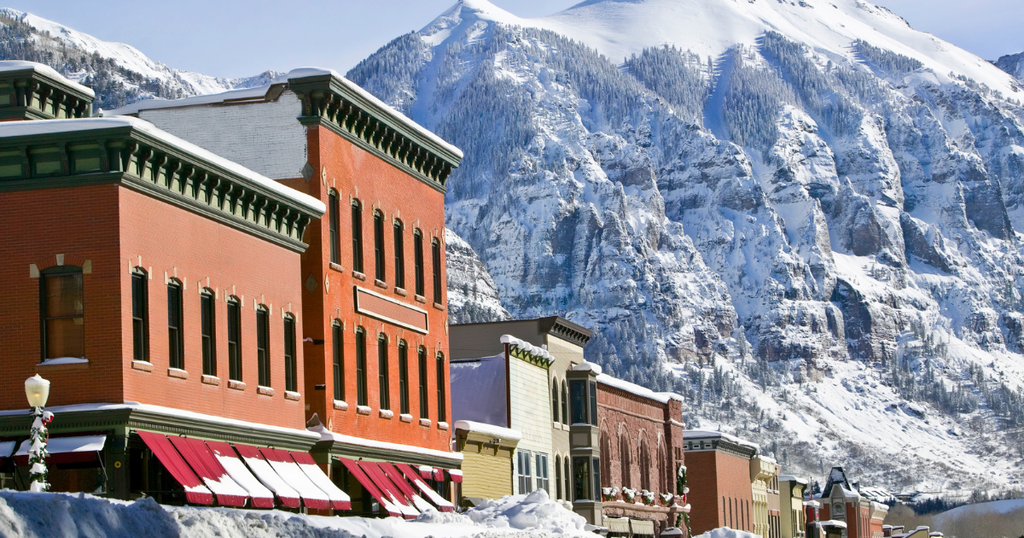
Telluride is widely regarded as one of Colorado’s most scenic mountain towns, with dramatic peaks, historic architecture, and a striking box-canyon setting.
What is the cheapest Colorado mountain town to live in?
Bailey is one of the more affordable established mountain communities near Denver, although prices remain higher than many non-mountain Colorado towns. Park County generally offers more accessible mountain housing than major resort markets.

Welcome to BuildHyp! I’m an SEO Expert with several years of experience in SEO, link building, and website growth. I’m passionate about helping websites improve their online visibility and reach the right audience.
At BuildHyp, I share informative and useful blogs on different topics to provide readers with practical and easy-to-understand information. For SEO-related questions, collaborations, or any other inquiries, feel free to contact me.